You can’t freeze dry food with a vacuum sealer alone—they’re fundamentally different preservation methods. Freeze-drying sublimates moisture through controlled atmospheric systems, while vacuum sealing simply removes air to slow oxidation. However, you can combine both techniques: freeze dry your food first, then vacuum seal it in Mylar bags with oxygen absorbers for the best storage. This hybrid approach extends shelf life to 20-30 years under ideal conditions, far surpassing vacuum sealing’s five-year limit. Understanding the specifics of each method’s strengths reveals how to maximize preservation success.
Understanding the Fundamental Differences Between Freeze-Drying and Vacuum Sealing
While both freeze-drying and vacuum sealing remove moisture to extend food shelf life, they’re fundamentally different processes operating on distinct scientific principles. Freeze drying sublimates ice directly to vapor under controlled temperature and pressure, bypassing the liquid phase entirely. This method preserves delicate structures, nutrients, and original texture through minimal heat exposure. Vacuum sealing, conversely, removes air to create an anaerobic environment, slowing oxidation and microbial growth without removing moisture through phase conversion. You’ll find freeze drying excels for nutrient preservation in pharmaceuticals and specialty foods, while vacuum sealing suits short-to-medium term storage needs. Like a Dutch oven’s heat retention properties, the vacuum chamber in freeze-drying systems provides a controlled atmosphere essential for the sublimation process to occur effectively. Many freeze-dried recipes, such as those featuring vegetables like potatoes and carrots, demonstrate how this preservation method maintains the nutritional integrity and texture of food components. Freeze-dried foods can achieve shelf lives of up to 25 years, making them ideal for long-term preservation compared to vacuum-sealed options. Understanding these distinctions helps you select the appropriate method for your specific preservation requirements and desired product outcomes.
What a Vacuum Sealer Can and Cannot Accomplish
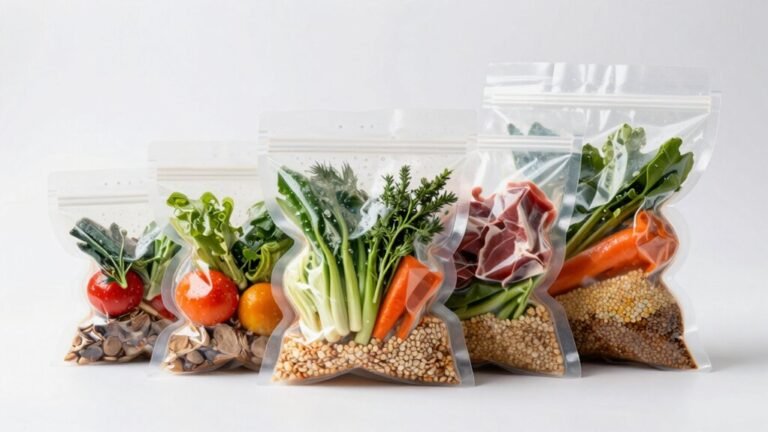
Because vacuum sealing operates through oxygen removal rather than moisture elimination, it excels at specific preservation tasks while falling short in others. Your vacuum sealing benefits include extending shelf life up to five times longer, preventing freezer burn, and inhibiting aerobic bacteria growth. You’ll effectively preserve frozen meats for three years and refrigerated items for one to two weeks.
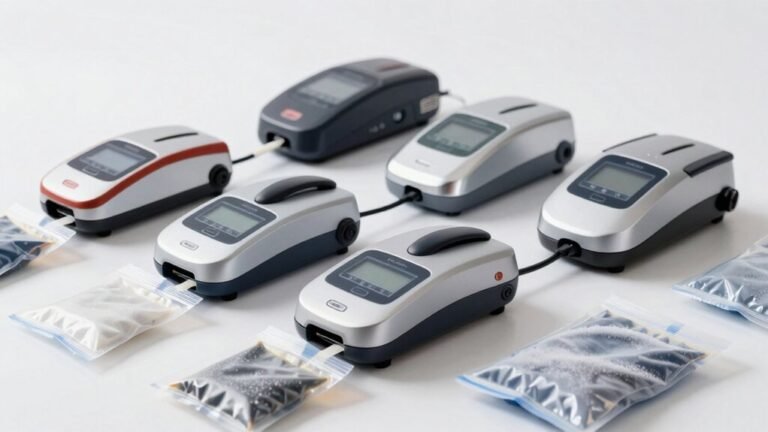
However, vacuum sealing limitations are substantial. You can’t replicate freeze-drying’s moisture removal process, so you won’t achieve the shelf stability or lightweight portability freeze-dried foods offer. Critical safety concerns exist: anaerobic pathogens like Clostridium botulinum thrive without oxygen. You must avoid vacuum sealing raw garlic, mushrooms, and onions due to botulism risk. Additionally, vacuum sealing does not replace pressure-canning for home-canned foods, which require specialized processing to ensure safety. Different types of vacuum sealers, including handheld models and chamber vacuum sealers, offer varying capabilities depending on your food preservation needs and volume. When storing vacuum sealed meat in the freezer at 0°F, whole cuts of beef, pork, or lamb maintain best quality for 2 to 3 years. For optimal results when vacuum sealing, choose high-quality bags designed specifically for this purpose to prevent leaks and ensure reliability. Different types of vacuum seal bags, including embossed bags and reusable options, offer varying levels of protection depending on your storage duration and meat type. Vacuum sealing preserves flavor, texture, and nutritional value by preventing oxidation and bacterial growth. Vacuum sealing doesn’t replace refrigeration or freezing—it merely extends conventional storage methods. For optimal results, write storage dates on your sealed bags to track freshness and ensure you use items within their recommended timeframe.
Practical Hybrid Methods for Home Food Preservation
Since vacuum sealing alone can’t replicate freeze-drying’s moisture removal capabilities, you’ll want to combine it with complementary techniques to maximize food preservation. Hybrid sealing methods leverage oxygen absorbers alongside mechanical vacuum removal, considerably extending shelf life. Mylar bags offer superior barrier properties when paired with vacuum sealing—you’ll seal them partially, apply your vacuum attachment along the seam, then complete the final seal. This approach prevents sharp foods from puncturing the bag while ensuring complete air extraction. Chamber vacuum sealers further optimize this process by processing multiple jars simultaneously without heat, working twice as fast as external models. Unused oxygen absorbers should be stored in vacuum-sealed containers to prolong their usability and maintain their effectiveness for future storage projects. For optimal results, store your sealed foods in cool dark places away from light exposure to prevent degradation of preserved contents. Frozen vacuum-sealed foods typically last 2 to 3 years on average when maintained at proper temperatures. Like cast iron Dutch ovens, which maintain consistent intense heat during the critical initial baking phase, proper vacuum sealing creates an environment that dramatically slows food degradation and maintains quality over extended periods. Proper sealing techniques are essential for achieving a proper vacuum seal that maximizes food safety and longevity during storage. Remember to label and date your vacuum-sealed packages to track storage duration and ensure you use foods within their recommended shelf life windows. These integrated methods transform basic vacuum equipment into a robust preservation system, delivering results approaching professional freeze-drying standards.
Storage Life and Moisture Management Expectations
How long will your vacuum-sealed freeze-dried food actually last? You’re looking at 20 to 30 years under ideal conditions, though manufacturers conservatively set “best by” dates at 1-3 years for commercial products. Your shelf life depends primarily on moisture management and storage conditions.
Vacuum sealing removes air and moisture, creating an inhospitable environment for bacterial growth. Freeze-dried foods contain minimal moisture already, so proper sealing prevents re-absorption that’d compromise texture and safety. You’ll extend your storage duration considerably by keeping containers below 70°F in dark, dry spaces. Mylar bags are recommended for providing additional moisture and light protection to your sealed containers. Glass containers like Mason jars also provide airtight seals and allow visibility for checking food quality over time. Chamber vacuum sealers offer superior seal strength compared to external suction models, particularly when sealing delicate freeze-dried items that require reliable, consistent sealing performance. Similar to how thorough drying is essential for cast iron maintenance to prevent rust and degradation, ensuring your vacuum-sealed containers are completely dry before sealing prevents moisture-related food spoilage.
Add oxygen absorbers—300-500cc per quart-sized container—to further eliminate oxidation risks. Just as ultra-pure refinement ensures optimal performance in specialized equipment, using high-quality oxygen absorbers prevents degradation in your sealed containers. Vacuum sealing is particularly effective for dry staples like grains and legumes, which resist moisture and pests when properly sealed. Proper labeling and organization of your vacuum-sealed containers helps you track storage duration and consume items before quality deteriorates. Once you open your sealed packages, however, you’ll need to consume contents within 6-12 months as air exposure accelerates degradation.
Best Practices and Risk Mitigation Strategies
You’ll maximize your freeze-dried food’s longevity and safety by selecting the right equipment and executing precise sealing techniques. Best practices demand you freeze-dry goods like rice for 3-7 days to eliminate bug eggs and larvae before sealing. Store your sealed containers in cool, dry, dark locations to minimize light exposure and degradation.
For risk mitigation, vacuum packaging removes most oxygen, extending shelf life to 2-3 years. You’ll want to avoid vacuuming fragile snacks like chips to prevent crushing. Use durable, freezable, microwave-safe bags for versatility, similar to how wooden handles remain cool during extended cooking periods. Always check lid seal integrity after sealing completes, ensuring complete vacuum in jars results in solid, airtight closures. Monitor for slow oxygen seepage risks in plastic vacuum bags by selecting Mylar alternatives when possible. When vacuum sealing liquids, pre-freezing the liquid first prevents the vacuum sealer from sucking up the contents and compromising the seal. Oxygen absorbers should be included in Mylar bags to eliminate remaining oxygen for optimal long-term preservation. The sublimation process critically depends on maintaining negative pressure and appropriate temperature conditions throughout the freeze-drying cycle. For accurate monitoring of your freeze-drying environment, ambient temperature sensors help track the cooking microclimate to ensure optimal conditions are maintained. Avoid prolonged exposure to moisture during storage, as extended contact with water can compromise your vacuum-sealed packaging similar to how prolonged boiling can damage protective layers. Proper vacuum sealing prevents air exposure and bacterial growth, which significantly extends storage times compared to conventional packaging methods.