
You’ll sear your beef chuck roast in a preheated Dutch oven to develop a rich crust, then braise it low and slow at 275–325°F with aromatic vegetables, red wine, beef broth, and tomato paste until it reaches 195–205°F for ideal tenderness. Add root vegetables during the final hour, then create silky gravy by deglazing the pan and thickening with cornstarch or flour. The technique transforms tough meat into fork-tender excellence with complex, layered flavors waiting to be revealed.
Ingredients & Equipment
Before you’ll require a quality beef chuck roast weighing 2–4 pounds with good marbling, though brisket point, rump, or blade roast work equally well. You’ll also gather onions, carrots, potatoes, celery, and mushrooms—all vegetable substitutions you can adjust based on preference and availability.
For seasoning variations, stock kosher salt, black pepper, minced garlic, fresh thyme, and rosemary. You’ll combine these with beef broth, dry red wine, tomato paste, and Worcestershire sauce to build depth. Include flour or cornstarch for thickening your gravy. The Cattleman’s Grill California Tri-tip Seasoning offers a convenient pre-mixed option that can enhance your roast with consistent flavor.
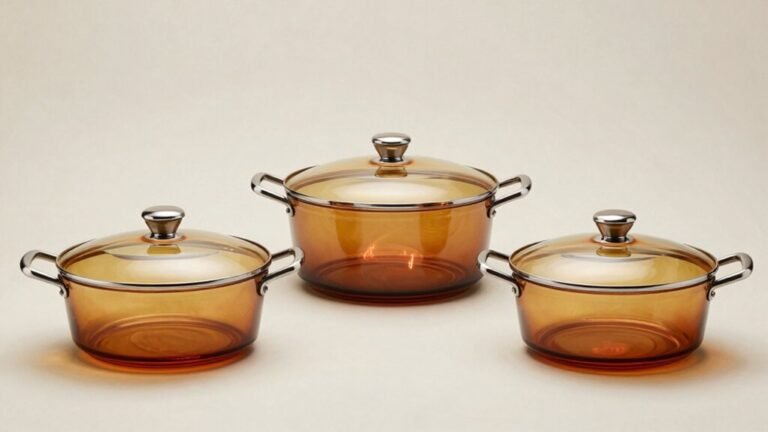
Equipment-wise, you’ll need a 6-8 quart Dutch oven as your primary vessel. Gather tongs for handling the roast, high-heat oil for searing, bay leaves, and make certain your oven’s preheated. To prevent damage to your Dutch oven, avoid rapid temperature changes when moving the pot between the refrigerator and stove. Dutch ovens are versatile for soups, stews, breads, and roasts, making them an essential investment that lasts a lifetime with proper care. A fitted lid on your Dutch oven transforms it into a multi-functional tool that retains moisture and heat during the braising process, ensuring tender, flavorful results. For the richest results, deglaze the pot with beef stock or wine after searing to lift browned bits and build a flavorful foundation for your gravy. The heavy construction and tight-fitting lid create optimal heat distribution for even cooking throughout your pot roast. The Dutch oven’s exceptional heat retention properties make it superior to standard cookware for developing the rich, complex flavors that define an exceptional pot roast. This setup positions you for successful braising and rich sauce development.
Preparing Your Roast
Now that you’ve gathered your ingredients and equipment, you’re ready to begin the braising process by preheating your oven to 300 degrees F—or 325 degrees F if you’d prefer shorter cooking times, with a lower 275 degrees F option available for extended slow braising up to 4 hours. Simultaneously, heat your Dutch oven on the stovetop over medium-high heat to guarantee even low-temperature cooking that converts tough chuck into tender texture.
Pat your preferred cuts of beef dry and apply your chosen seasoning techniques generously across all surfaces. Sear the roast until you develop a rich brown crust, which locks in flavors and creates depth for your braising liquid. The durable construction of your Dutch oven ensures even heat distribution throughout the cooking process. This vital step establishes the foundation for exceptional pot roast. After searing, set the roast aside and cook your chopped onions and garlic in the same pot until they are partially softened to build additional layers of flavor. For accurate temperature verification during cooking, consider using an infrared thermometer to confirm your roast has reached the desired internal temperature without repeatedly opening the oven door. For meal planning ahead, consider using vacuum sealing to store your finished pot roast in portioned servings for convenient reheating throughout the week.
Searing & Deglazing
Searing your beef at the right temperature creates a flavorful crust that anchors your entire pot roast. Heat your Dutch oven over medium-high heat with two tablespoons of olive oil or one tablespoon of ghee. Pat your meat dry, then sear undisturbed for five to six minutes per side, developing that golden-brown crust without moving it around the pan.
After removing your seared beef, employ deglazing methods to capture all those flavorful browned bits. Add onions to release moisture, then use a wooden spoon to scrape the fond from the pan’s bottom. Incorporate red wine and beef broth, stirring in tomato paste. Add sautéed garlic and herbs like thyme and rosemary. For optimal results, avoid crowding the pan during searing to ensure proper browning. A Dutch oven rack can help elevate your pot roast off the bottom during the braising stage, promoting better heat circulation around the meat. These searing techniques and deglazing methods create an incredibly rich foundation for your gravy. Monitor your pot roast’s internal temperature throughout cooking to ensure it reaches the optimal internal temperature for tenderness. The deglazing process should incorporate low-sodium beef broth to enhance the depth of flavor without excess salt. These hearty preparations work well for weeknight dinners when you need satisfying comfort food quickly. If you plan to store your finished gravy, consider freezing the liquid before vacuum sealing to prevent sealing issues.
The Braising Process
With your aromatics and deglazing liquid ready, you’ll transfer your Dutch oven to a 275–325°F oven, where low, steady heat breaks down collagen into gelatin without toughening the muscle fibers. Position your roast so liquid reaches one-third to one-half up its sides, allowing simultaneous steaming and braising. Add bay leaves, thyme, and whole spices for layered flavor infusion throughout the cook. Proper temperature control prevents the meat from overcooking while ensuring the collagen breaks down adequately for optimal tenderness.
Monitor internal temperature with a probe; you’re targeting 195–205°F for best tenderness. Plan 2.5–4 hours depending on roast size. Root vegetables added during the final 60–90 minutes prevent disintegration while absorbing braising flavors. The Dutch oven’s excellent heat retention ensures even heat distribution throughout the cooking process, contributing to consistent and uniform tenderness across the entire roast. A 12-inch Dutch oven provides ample capacity for larger roasts and multiple vegetables while maintaining optimal heat distribution. For extended oven cooking, consider using a heat-resistant silicone handle cover to protect your hands when handling the pot. Optional enhancements like vinegar and Worcestershire sauce can add complexity to your braising liquid for deeper flavor development. After each use, maintain your Dutch oven with coarse kosher salt and oil to preserve its seasoning and prevent rust.
After removing from heat, rest 15–30 minutes to redistribute juices. These braising techniques guarantee fork-tender results with rich, gelatin-thickened sauce.
Making the Gravy
Your resting meat’s residual heat keeps everything warm while you transform the braising liquid into silky gravy. Skim visible fat from the surface, then scrape browned bits from the pot bottom using broth for flavor enhancement. Strain solids through a fine mesh sieve for clarity.
Choose your thickening agent: mix two tablespoons cornstarch with ¼ cup cold water, or whisk ¼ cup flour into the drippings with salt and pepper. Return the pot to medium-low heat, bring liquid to a boil, then gradually pour your slurry while stirring continuously until you achieve desired gravy consistency. Add one cup water if too thick. For best results, use a well-marbled chuck roast that will naturally contribute to the gravy’s body and richness. After making your gravy, dry the Dutch oven completely and apply a thin layer of oil to maintain its seasoning and prevent rust. To preserve your Dutch oven’s longevity, avoid soaking it or leaving it wet for extended periods. The natural thickening from the collagen in the chuck roast creates a silky texture that enhances the overall richness. For optimal flavor, incorporate fresh herbs like thyme and rosemary that were used during the braising process into your finished gravy. For a Dutch Oven pot roast, approximately 1 cup of half-and-half cream provides the perfect richness and mouthfeel to your finished gravy. While pot roast offers comfort in savory preparations, Dutch oven desserts like cobblers and cakes showcase the versatility of cast iron cooking. Stir in one cup half-and-half cream for richness. Adjust seasoning and ladle immediately over your meat and vegetables.
Serving & Storage
Once you’ve rested your meat and prepared your silky gravy, you’re ready to present this showstopping dish. Transfer your pot roast directly to a large platter, garnish with fresh parsley, and slice or shred the fork-tender meat at the table for dramatic serving suggestions.
For storage tips, cool the entire Dutch oven contents to room temperature before refrigerating overnight in covered containers. Refrigerate leftovers up to four days, or freeze portions with vegetables and juices for three months. Store airtight containers in a clearly organized freezer section to prevent freezer burn and maintain optimal freshness. A 5.5-quart Dutch oven provides ideal capacity for storing typical pot roast portions without requiring multiple containers. The mid-range size is particularly effective for both cooking and storing adequate portions for family meals. When reheating, cover and warm at 325°F in a shallow pan until heated through, ensuring the internal temperature reaches 165°F. Label frozen containers with dates for easy identification and thaw overnight before reheating to maintain ideal texture and flavor. You can also use the stovetop method by heating meat and vegetables in a skillet over medium heat, adding juices as needed for convenient weeknight meals.