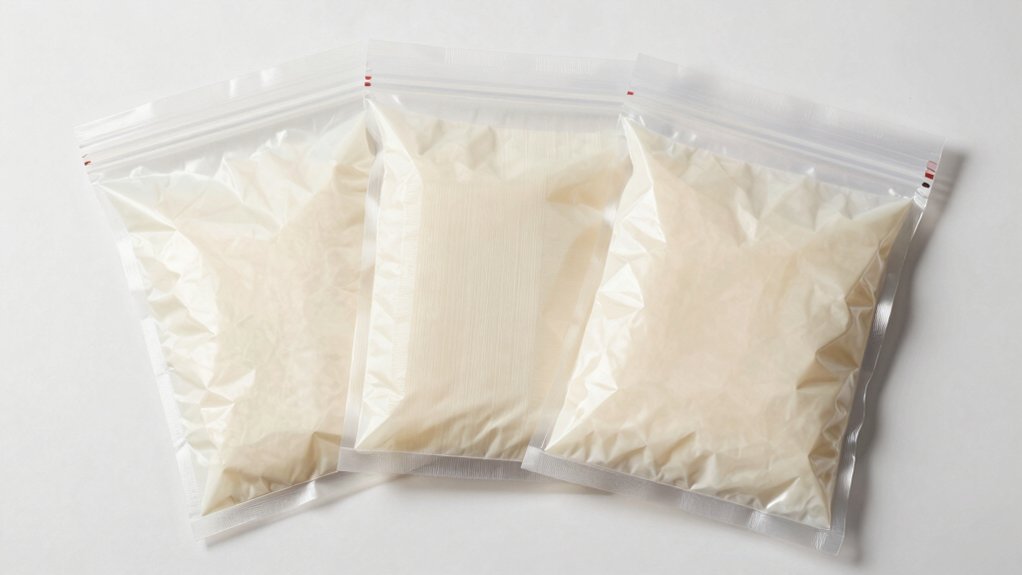
You’re probably tired of vacuum sealer bags that puncture, leak, or fail after a few uses. When you’re investing in a chamber vacuum sealer, you’d think the bags would match that quality. But here’s the thing—not all bags are created equal. The right choice can transform your food storage and meal prep, while the wrong one wastes money and frustration.
Quick Overview
- Choose 3-5 mil thickness bags for superior durability and puncture resistance during long-term freezer storage.
- Select commercial-grade, heavy-duty nylon-polyethylene laminate bags that outperform standard household-grade vacuum sealing options.
- Verify BPA-free, food-safe materials compatible with your specific chamber vacuum sealer model before purchasing.
- Thicker bags prevent freezer burn by creating airtight barriers that minimize oxidation and ice crystal formation.
- Prioritize reusable, temperature-resistant bags engineered for boiling, microwaving, and sous vide cooking methods.
| Avid Armor Chamber Vacuum Sealer Bags 250-Pack (8×10) |

| Best for Home Cooks | Quantity Per Pack: 250 bags | Material Thickness: Not specified | Bag Dimensions: 8″ x 10″ | VIEW LATEST PRICE | Read Our Analysis |
| Avid Armor Chamber Vacuum Sealer Bags (280 Pack) |

| Best Value Pack | Quantity Per Pack: 280 bags | Material Thickness: 3.5 mil, 90 gauge | Bag Dimensions: 6″ x 10″ and 8″ x 12″ | VIEW LATEST PRICE | Read Our Analysis |
| 100 pcs Clear Chamber Vacuum Sealer Bags 11×16 |

| Professional Grade | Quantity Per Pack: 100 bags | Material Thickness: 3 mil | Bag Dimensions: 11″ x 16″ | VIEW LATEST PRICE | Read Our Analysis |
More Details on Our Top Picks
Avid Armor Chamber Vacuum Sealer Bags 250-Pack (8×10)
If you’re serious about food preservation and own a chamber vacuum sealer, you’ll want the Avid Armor 250-pack. These heavy-duty, BPA-free poly nylon bags deliver reliable performance for freezing, sous vide cooking, and marinating. At 8×10 inches, they accommodate most food items efficiently. You’ll appreciate their ability to block moisture and oxygen, keeping your meat and fish fresh longer. The bags are reusable, dishwasher-safe, and microwaveable, offering versatility beyond basic storage. Made from sustainable, recyclable materials, they represent an environmentally conscious choice. However, remember they’re designed exclusively for chamber vacuum sealers and heat bag sealers—not household Food Saver models.
- Quantity Per Pack:250 bags
- Material Thickness:Not specified
- Bag Dimensions:8″ x 10″
- Food Safety Certification:BPA-Free
- Cooking Methods Supported:Sous vide, freezing, food preservation
- Reusability:Reusable and dishwasher safe
- Additional Feature:Dishwasher safe reusable bags
- Additional Feature:Microwaveable for convenient reheating
- Additional Feature:Sustainable, recyclable materials
Avid Armor Chamber Vacuum Sealer Bags (280 Pack)
You’ll find the Avid Armor 280-pack an excellent choice for serious food preservation enthusiasts who demand durability and versatility. This bundle includes 140 bags in 6×10″ and 140 in 8×12″ sizes, giving you flexibility for different foods. The 3.5 mil thickness safeguards against freezer burn and external contaminants while maintaining its structural integrity. You can use these BPA-free, food-safe bags for sous vide cooking, boiling, simmering, and microwaving. The commercial-grade construction guarantees long-term freezer storage without compromising quality. Whether you’re preserving meat, vegetables, or prepared meals, this 280-pack delivers reliable performance and exceptional value for your vacuum sealing needs.
- Quantity Per Pack:280 bags
- Material Thickness:3.5 mil, 90 gauge
- Bag Dimensions:6″ x 10″ and 8″ x 12″
- Food Safety Certification:BPA-Free, food-safe
- Cooking Methods Supported:Sous vide, microwave, boil, simmer
- Reusability:Not specified
- Additional Feature:Mixed size variety pack
- Additional Feature:Commercial-grade heavy-duty construction
- Additional Feature:Premium 3.5 mil thickness
100 pcs Clear Chamber Vacuum Sealer Bags 11×16
These 11″ x 16″ chamber vacuum bags deliver commercial-grade performance for anyone serious about food preservation—whether you’re running a bustling restaurant kitchen or stocking your home freezer. You’ll get 100 pre-cut bags made from heavy-duty, 3-mil material that blocks moisture and oxygen effectively. The BPA-free construction keeps your food safe while you extend shelf life up to five times longer. These bags excel at sealing liquids and solids alike, making them ideal for sous vide cooking, boiling, and microwave reheating. They’re freezer and refrigerator safe too. Just remember: they’re designed exclusively for chamber machines, not FoodSaver-style suction devices. This bulk package offers excellent value for commercial operations and serious home cooks alike.
- Quantity Per Pack:100 bags
- Material Thickness:3 mil
- Bag Dimensions:11″ x 16″
- Food Safety Certification:BPA-Free, food-safe
- Cooking Methods Supported:Sous vide, microwave, boiling, freezing, refrigerating
- Reusability:Not specified
- Additional Feature:Extends shelf life 5x
- Additional Feature:Tear notch for easy opening
- Additional Feature:Handles liquids and solids
Factors to Consider When Choosing Bags for Chamber Vacuum Sealers
When you’re selecting bags for your chamber vacuum sealer, you’ll want to evaluate several key factors that directly impact your food preservation results. Consider the bag size and capacity that fits your needs, the material thickness for durability, food compatibility and safety standards, how well they perform in freezer storage, and whether they’ll work with your preferred cooking methods. Understanding these elements helps you choose bags that’ll deliver ideal performance for your specific sealing and storage requirements.
Bag Size and Capacity
Selecting the right bag size is pivotal because it directly impacts how effectively you’ll seal your food and how efficiently you’ll use your storage space. You’ll find chamber vacuum sealer bags in standard sizes ranging from 8″ x 10″ for individual portions to 11″ x 16″ for bulkier items like meats. Matching your bag size to your food’s volume and dimensions guarantees ideal vacuum seals while minimizing wasted material. Consider what you’re storing most frequently—smaller bags work well for precise portions, while larger bags accommodate bigger cuts or quantities. By choosing appropriately sized bags, you’ll prevent excessive air pockets, maximize your freezer organization, and get the most value from your vacuum sealing investment.
Material Thickness and Durability
While bag size determines how well your food fits, the material’s thickness and construction determine how long it stays protected. You’ll want bags with 3-5 mil thickness, which provides superior durability and puncture resistance for long-term storage. Commercial-grade, heavy-duty bags outperform household-grade options if you’re using your chamber vacuum sealer frequently.
Look for food-safe materials like nylon-polyethylene laminates that are BPA-free and create strong barriers against moisture, oxygen, and external contaminants. This protective layer preserves your food’s quality and extends shelf life considerably.
Reinforced seals and tear notches matter too. They prevent accidental leaks or punctures during handling and storage. Investing in durable bag construction guarantees your vacuum-sealed foods remain protected throughout their storage life.
Food Compatibility and Safety
Your food’s safety depends on choosing bags made from food-safe materials that won’t compromise your meals. You’ll want BPA-free plastics that don’t leach harmful chemicals into your stored foods, especially when vacuum sealing at high temperatures.
You should verify that your bags are compatible with your specific chamber vacuum sealer model. Different sealers have varying requirements, and using incompatible bags can result in failed seals and spoilage.
Consider what you’re storing. Liquids and marinated foods require thicker, more durable bags that won’t puncture during the vacuum process. Delicate items need gentler handling, so you might prefer bags with reinforced edges.
You’ll appreciate bags that offer reusability and microwave safety, adding convenience and sustainability to your food storage routine while maintaining the airtight seal that keeps your food fresh longer.
Freezer Storage Performance
Once you’ve selected food-safe bags that match your sealer’s specifications, you’ll want to focus on how they’ll perform when frozen. Thicker bags—typically 3-4 mil—provide superior protection against freezer burn during extended storage. Vacuum sealing removes excess air, minimizing oxidation and ice crystal formation that degrades quality over time. The airtight barrier you create prevents moisture migration, keeping frozen items fresh considerably longer than non-vacuum packed alternatives. Chamber vacuum bags withstand the higher pressure and temperature of commercial-grade sealers, ensuring durability in demanding freezer environments. You can extend ideal storage life 2-5 times longer depending on your food type. Investing in quality bags designed for chamber sealers means your frozen foods stay fresher, longer.
Cooking Method Versatility
The real value of chamber vacuum bags comes through when you put them to work across multiple cooking applications. You’ll want bags that handle freezing, boiling, microwaving, and sous vide without failing you.
Look for materials engineered to withstand high temperatures during cooking. When you’re planning to boil or sous vide your sealed proteins, inferior bags will compromise their integrity and ruin your meal. Quality chamber bags maintain their seal strength even under extreme heat exposure.
Chamber-specific bags excel with liquids too. Unlike traditional suction sealers, your chamber vacuum handles moisture differently, so you need bags designed for this capability. This means you can seal marinating liquids and sauces confidently.
Choose bags that offer reusability and microwave compatibility when possible. This versatility maximizes your investment and simplifies your cooking workflow.
Cost and Value Comparison
While chamber vacuum bags aren’t expensive individually, the total cost adds up quickly depending on your usage patterns and pack size choices. You’ll find packs ranging from 100 to 280+ bags, and buying in bulk typically lowers your per-bag cost. However, consider your anticipated usage volume first—oversizing your purchase wastes money if you don’t use the bags before they degrade.
Quality matters too. Thicker, premium materials cost more per bag but offer superior long-term storage and protection, potentially justifying the higher upfront investment. To accurately compare value across different options, calculate the cost per square inch of bag area rather than relying solely on pack size. This guarantees you’re genuinely getting the best deal for your needs.
Environmental Impact Considerations
Beyond calculating the per-bag cost, you’ll want to ponder how your vacuum sealer choices affect the environment. Opt for bags made from sustainable materials like nylon and polyethylene rather than non-recyclable plastics. Reusable and recyclable options dramatically reduce waste compared to single-use alternatives. You’ll also want to contemplate how vacuum sealing itself benefits the planet—by preserving food freshness, you’re preventing spoilage and reducing the environmental impact of discarded groceries. Don’t overlook the energy efficiency of your chamber vacuum sealer, as this contributes to your overall environmental footprint. Finally, commit to proper disposal of used bags through recycling or responsible waste management. These considerations guarantee your sealing practice remains genuinely eco-conscious.