Wrap your firm tofu block in clean kitchen towels and place it on a rimmed baking sheet. Center a cast iron skillet directly on top—you can stack cans underneath for extra pressure. Flip the skillet every five minutes to promote even drainage. Press for at least 30 minutes, replacing saturated towels as needed. You’ll know you’re done when the tofu feels condensed and sponge-like, ready to absorb marinades and brown beautifully. Uncover advanced techniques that’ll elevate your tofu cooking.
Preparation Steps
Before you press tofu, you’ll need to remove your block from its packaging and inspect it for excess surface liquid. Stick with firm or extra-firm tofu types, as silken varieties are too delicate for this method.
Next, wrap your tofu loosely in a clean, lint-free kitchen towel or multiple paper towels. This absorbent material captures released moisture effectively. Position your wrapped block on a rimmed baking sheet to contain any liquid seepage. Similar to how proper moisture removal is essential in food preservation techniques, extracting excess water from tofu is crucial for achieving the desired texture.
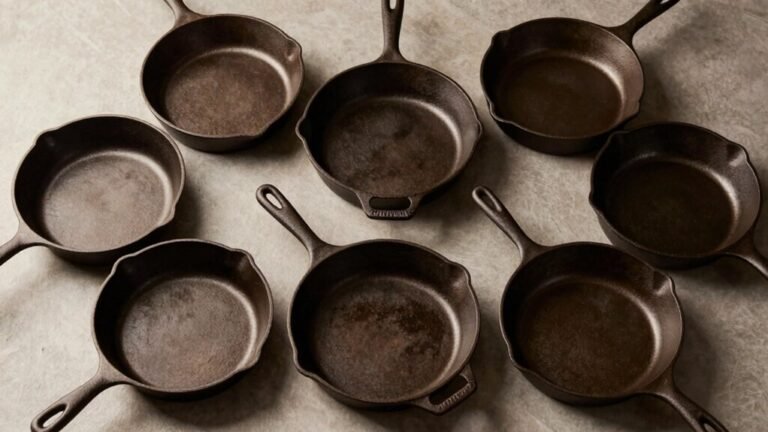
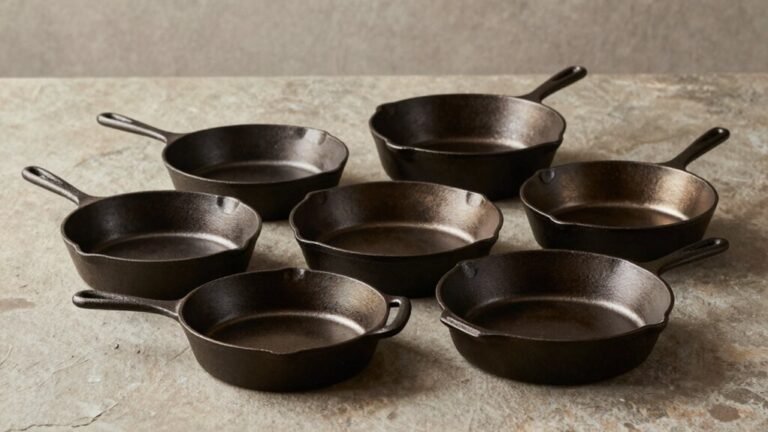
The pressing benefits become apparent once you understand proper technique. A cast iron skillet provides ideal weight distribution and, when properly seasoned with high smoke point fats, maintains its non-stick properties during repeated use. Place it directly atop your wrapped tofu, balancing it evenly across the surface. You’ll achieve superior texture and better flavor absorption in your recipes through this simple preparation step. For optimal results, press tofu for at least 30 minutes, though longer pressing times will yield an even firmer texture. You can also place canned goods on top of the skillet to increase the weight and remove even more excess water. This setup can be left overnight in the fridge for maximum moisture extraction. Ensure even heat distribution throughout the pressing process by checking that the skillet remains level and the tofu block sits flush against the towels.
Weight Selection
Now that you’ve got your tofu wrapped and positioned, selecting the right weight determines how effectively you’ll extract moisture. Your cast iron skillet serves as the primary weight type, offering ideal weight distribution across the entire tofu surface. Its natural heft eliminates the need for additional pressure in many cases. Pressing improves texture for grilling, air frying, or baking by removing excess water that prevents proper cooking.
For enhanced results, you’ll want weight alternatives like canned goods—six to eight cans of beans work perfectly. Stack them inside or atop your skillet, gradually adding pressure rather than applying excessive force immediately. This customizable approach prevents bulging or splitting while ensuring consistent moisture removal. Allow the weight to sit for 30 to 60 minutes to maximize water extraction and achieve optimal results. Just as precise temperature control ensures perfectly cooked eggs, consistent pressing time ensures optimal tofu texture.
Center all weight directly over your tofu block to avoid warping. Balanced distribution produces superior results and maintains structural integrity throughout the pressing process. Like cast iron cookware, proper care of your tofu includes drying thoroughly before storage to prevent degradation.
Pressing Duration
Once you’ve applied your weights, timing becomes essential to achieving the moisture removal your recipe demands. You’ll want to press your tofu for at least 30 minutes to see ideal results, though one hour is preferred for crispier outcomes. During pressing techniques, flip your cast iron skillet sideways every five minutes and gradually tighten your weights to guarantee even drainage without damaging the block. Proper cast iron heat retention ensures consistent pressure throughout the pressing process.
If you’re short on time, even 15-20 minutes provides meaningful improvement over unpressed tofu. However, rushing this step compromises your final product’s texture and flavor absorption. For superior results, consider overnight refrigeration pressing, which produces the most thoroughly dehydrated tofu. Unpressed tofu is more likely to crumble and will not achieve the same quality as properly pressed tofu. After pressing, ensure your cast iron skillet is thoroughly dried to prevent rust and maintain its seasoning for future cooking tasks. Proper pressing also inhibits the absorption of marinades, limiting flavor enhancement in your dishes. The longer your tofu remains pressed, the better your moisture removal becomes, ultimately delivering firmer, crispier, and more flavorful dishes.
Towel Management
While weight distribution matters tremendously for pressing tofu, what you wrap your block in proves equally critical to your success. You’ll want to choose thick bath towels or clean tea towels over paper alternatives—they absorb substantially more moisture and extract up to 100ml of water from standard blocks.
For proper towel placement, center your tofu on the fabric with even coverage on both surfaces, then fold the towel completely around it for full enclosure. Position a cooling rack beneath the wrapped block to improve drainage, then place your cast iron skillet on top. Cast iron’s superior heat retention makes it an ideal pressing weight for consistent results, especially when the skillet has been properly seasoned with high smoke point oil to maintain its durability. Allow the tofu to press for approximately one hour before cooking for optimal results. Silken tofu cannot be pressed due to its delicate structure and will break under weight.
The thickness of your cloth material directly correlates with moisture extraction efficiency. Confirm your towels are clean and unused to prevent contamination, and inspect them beforehand for maximum absorbency. This foundation transforms your pressing results dramatically.
Post-Pressing Handling
After your towels have done their work extracting moisture, you’re ready to remove your pressed tofu and prepare it for cooking. Loosen the knobs gently and slide your tofu block out carefully, unwrapping the towels to avoid breaking it. Inspect the block for even pressing and reshape if you notice any bulging.
Your texture assessment confirms the tofu’s readiness. The pressed tofu should feel noticeably condensed and sponge-like, ready to absorb marinades effectively. Pat the surface dry with a fresh towel if moisture remains, as removing excess surface moisture helps achieve optimal texture results similar to how internal temperature determines doneness in other proteins. A well-seasoned cast iron skillet can also enhance browning and flavor development during cooking through its polymerized oil layer. Proper cast iron maintenance ensures your skillet remains effective for years of cooking. Regular cleaning with coarse salt and potato can help restore your skillet’s seasoning and remove any buildup that affects cooking performance.
For tofu storage, refrigerate your pressed block on a towel over a bowl if you’re not cooking immediately. You can also submerge unused portions in water in an airtight container for up to one week, ensuring peak freshness and texture. Using glass or stainless steel containers is preferable for storing pressed tofu to prevent absorption of unwanted odors. For longer-term storage, consider vacuum sealer bags to maintain optimal freshness and prevent freezer burn. If you plan to use your tofu later, freezing changes the texture to resemble meat, which can be thawed before preparation for different cooking results.
Tips and Variations
Because successful tofu pressing depends on consistent weight and proper technique, you’ll want to master a few key strategies to guarantee even results every time.
You can customize your pressing techniques based on your tofu recipes and desired texture. For extra firmness, try overnight refrigerator pressing, which extracts maximum moisture and creates density ideal for stir-fries or grilling. If you’re short on time, 30 minutes delivers adequate results for most applications.
Consider filling your cast iron skillet with water for increased pressing force without adding bulk. You can also stack 6-8 canned goods inside the skillet for progressive weight application. Replace saturated towels midway through pressing to capture additional moisture continuously releasing from the tofu block, ensuring optimal texture for your cooking needs. Using another cutting board can help distribute weight evenly across the tofu surface for more consistent results.