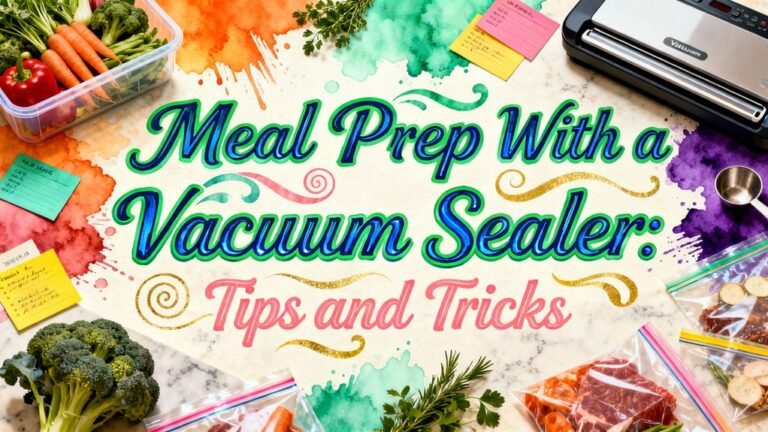
You’ll seal your sous vide bag using one of three methods: water displacement, countertop compression, or vacuum sealing. For water displacement, lower your zipped bag into the bath slowly, letting water pressure expel air before sealing. The countertop method involves pushing air out manually against a flat surface. Vacuum sealers require 2–3 inches of headspace and careful technique to prevent liquid channeling. Whichever approach you choose, inspect your seal thoroughly—it’s the foundation of precise temperature control and food safety.
Why Proper Sealing Matters for Sous Vide Success
When you’re preparing food for sous vide cooking, the seal you create isn’t merely a containment vessel—it’s fundamental to the method’s success. Proper sealing significance directly impacts sous vide integrity throughout the entire cooking process.
A secure seal prevents liquid escape, maintaining the airtight barrier that enables precise temperature control in your water bath. Without adequate sealing, you’ll compromise heat distribution, resulting in uneven cooking across food portions. Additionally, an effective seal locks in flavors, juices, and marinades while preserving nutritional value that traditional cooking methods often deplete. Vacuum sealing counters oxidation, maintaining food integrity by preserving flavors and nutrients that might otherwise deteriorate during storage and cooking.
You’ll also extend shelf life through oxygen elimination, which slows bacterial growth and prevents contamination. The sealing significance becomes evident when you recognize that even minor breaches can jeopardize food safety and cooking consistency. Similar to how steam environment management is essential in bread baking, creating the proper steam environment in your sous vide pouch ensures optimal heat distribution and cooking results. Using food-grade sealing bags specifically designed for sealed-cooking environments ensures optimal safety from contamination throughout your meal preparation. Digital probe thermometers can verify that your sealed sous vide pouches reach and maintain the target temperature throughout the cooking cycle. Mastering proper sealing techniques guarantees you achieve peak sous vide results consistently.
Water Displacement Method: Step-by-Step Guide
Now that you understand why sealing matters, the water displacement method offers an accessible technique for creating an effective seal without specialized equipment.
Start by filling your pot with water for the sous vide bath. Zip your bag closed except for one corner, leaving a one to two-inch opening. Slowly lower the bagged food into the water, maintaining the opening above the water line. Water pressure naturally forces air out through the gap—this water displacement mechanism guarantees air expulsion without mechanical assistance. If you notice excessive air remaining in the bag, the process can be repeated to achieve a better seal.
As you submerge the bag further, massage around the food to release trapped air bubbles. Once most air escapes and water approaches the opening, seal the remaining gap just above the water line. The bag should sink, confirming minimal air remains inside. For optimal results, ensure proper alignment and stabilization of your bag during the submersion process to maximize air removal. This process helps achieve even cooking and better flavor retention throughout your sous vide meal. Ziploc bags are generally safe for typical sous vide cooking temperatures, provided you avoid excessive heat and boiling conditions. For temperatures above 150°F or longer cooking times, ensure your bag can withstand the cooking temperature without compromising the seal or food safety. Using quality freezer bags protects your food while durable seals maintain integrity throughout cooking. Using BPA-free, gallon-sized freezer bags like ZipLock or Glad ensures your bag remains durable and safe throughout the cooking process.
Countertop Method: An Alternative Sealing Approach
If you don’t have access to a water bath or prefer to avoid liquid suction issues, the countertop method provides an equally effective sealing technique using only your hands and a flat work surface. Place your food in a freezer-grade zipper bag and position it flat on your counter with the zipper almost closed. Position one arm near the food while sliding your other arm upward to expel air systematically. Alternatively, use the counter edge as leverage. Smooth the bag completely flat against the surface to guarantee effective air removal, then seal immediately. For juicy or liquid-rich foods, watch carefully as you compress the bag to ensure liquids do not escape during the manual sealing process. Proper sealing is critical to success in preventing water infiltration and ensuring even cooking throughout your meal. The countertop advantages include eliminating specialized equipment requirements while maintaining liquids inside your bag. This approach assures the airtight seal necessary for preventing water infiltration during sous vide cooking.
Vacuum Sealer Techniques and Best Practices
Because vacuum sealers offer superior air removal compared to manual methods, they’re the preferred choice for serious sous vide cooking—but you’ll need to master proper technique to optimize their effectiveness. Maintain 2–3 inches of headspace above food and wipe the sealing area clean before each vacuum sealing operation. Fold the bag’s top down 50–75 mm to keep the seal zone free of moisture and debris. For juicy items, use moist or gentle modes to prevent channeling. Double-seal critical bags with two parallel seals 3–5 mm apart for long cooks. Always inspect every seal visually and by gentle squeeze, resealing immediately if wrinkles, gaps, or bubbles appear. Airtight seals are crucial for consistent cooking and flavor retention throughout the sous vide process. By eliminating oxygen from your bags, you also slow oxidation and prevent the growth of mold and bacteria during extended cooking times. Proper vacuum sealing extends the shelf life of your ingredients while maintaining optimal meat quality. To prevent liquids from compromising your seal, consider using a liquid barrier between food and the valve during the sealing process. Chamber vacuum sealers provide more control over vacuum strength compared to external models, allowing you to fine-tune your sealing approach for different protein types. These sealing techniques guarantee reliable, leak-proof results.
Choosing the Right Bag Type for Your Needs
Your choice of bag type fundamentally determines your sous vide success, as each option balances durability, temperature tolerance, and cost differently. You’ll find vacuum sealer bags offer superior performance when paired with compatible machines like the Anova Precision Vacuum Sealer, delivering airtight seals through multilayer construction. For budget-conscious approaches, you can use standard Ziploc freezer bags with water displacement sealing techniques—though they’re limited to smaller portions. Reusable silicone bags provide eco-friendly alternatives with double-seal zippers and platinum construction, withstanding repeated use. Your sealing techniques must align with bag compatibility; vacuum sealers require specialized bags, while water displacement works with standard freezer bags. Boilable vacuum sealer bags designed specifically for chamber machines ensure reliable sous vide performance across a range of cooking temperatures. Consider your temperature requirements carefully—preservation bags handle 55°C–70°C, while cooking bags reach up to 225°C for extended applications. Like Dutch ovens transitioning between stovetop and oven, sous vide bags must handle thermal transitions smoothly to prevent damage during cooking. Material quality remains essential, so always verify that your selected bags are food-safe and BPA-free before beginning your sous vide preparation.
Embossed Bags vs. Zipper Vacuum Bags
Two distinct vacuum bag architectures dominate sous vide applications, each engineered for different sealing methods and use cases. Embossed benefits include superior puncture resistance and exceptional durability for long-term storage—they’ll withstand 100 hours at 110°C without compromising integrity. Their textured channels facilitate efficient air extraction, creating tighter seals ideal for sharp food items. However, you’ll need an external suction sealer and accept reduced visibility of contents. The embossed texture makes these bags particularly resistant to damage from pointed bones or frozen edges. All embossed vacuum bags are guaranteed BPA-free for safe food storage and cooking.
Zipper advantages center on convenience and versatility. You’ll access your food repeatedly without resealing, and you’ll handle both wet and dry foods effectively without heat seal failures. These bags work with handheld vacuum sealers and achieve compression comparable to premium alternatives. They’re advantageous when you prioritize frequent access over maximum durability, making them practical for shared kitchen environments.
Essential Tips for Achieving a Perfect Seal
Whether you’re sealing delicate fish or hearty vegetables, the difference between a reliable seal and a failed one hinges on meticulous preparation and technique. Start by patting foods dry and removing surface ice to eliminate moisture at the weld area. For liquid-rich items, freeze marinades into thin layers before sealing to prevent liquid migration into the sealing channel. Use absorbent paper towels inside the bag’s top edge to catch migrating juices during vacuuming. Select the appropriate seal setting for your bag thickness and content type. Clean your sealing bar, gasket, and heating elements regularly to maintain seal integrity. Running a second seal along the edge increases security and prevents spoilage, ensuring water does not enter the bag and seasoning and juices do not escape. On high-value items, run a double weld for redundancy. Monitor the bag during vacuuming and stop before liquid reaches the weld zone, ensuring consistent moisture control throughout the process. Proper vacuum sealing removes oxygen that would otherwise cause oxidation and compromise food quality. Both chamber vacuum sealers and external suction models offer distinct advantages depending on your specific cooking needs and food types. Like cast iron cookware used in traditional cooking methods, vacuum-sealed bags maintain food quality through proper technique and regular maintenance. When preparing for storage, remember that heat retention and durability are key considerations whether you’re using cast iron or vacuum sealing methods. Vacuum sealing also prevents freezer burn when food is stored in the freezer after preparation. Labeling your sealed bags with contents, date, and weight helps maintain organized inventory and ensures you use items within their optimal freshness window.
Common Sealing Mistakes to Avoid
Even with meticulous preparation, several common errors can compromise your seal’s integrity and jeopardize your sous vide results. You’ll encounter sealing errors when you don’t clean the bag’s edge before sealing—moisture, oil, or food particles weaken the bond and allow air re-entry. Overfilling bags past the one-inch border prevents complete air removal, resulting in weak seals and floating during cooking. You must verify your seal thoroughly; skipping double-checks permits undetected leaks that cause water ingress during submersion. Excessive vacuum extraction also represents a common mistake, removing beneficial juices and drying your food. Finally, you shouldn’t use incompatible materials like standard Ziploc bags or low-quality vacuum bags, which fail to achieve proper airtight seals. Using embossed bags specifically designed for vacuum sealers rather than smooth alternatives ensures better seal performance and prevents common leakage issues. Additionally, not letting food cool before sealing can cause liquids to bubble over in chamber sealers, leading to messy results and potentially ruptured membranes that make food less pleasant when reheated. For sous vide applications, proper bag selection becomes even more critical since freezer burn prevention depends on maintaining an intact seal throughout the cooking process. For extra protection against leaks, consider double-sealing your bags to ensure optimal containment during the cooking process. Avoiding these sealing errors guarantees ideal cooking outcomes.
Preparing Your Food and Equipment Before Sealing
Before you’ll need to prepare both your ingredients and equipment meticulously. Start with ingredient preparation by washing vegetables thoroughly and cutting them into uniform pieces. Portion meats and fish into individual servings, then cool all cooked preparations to room temperature before bagging. Proper cooling helps prevent bacterial contamination and ensures food safety throughout the vacuum-sealing and cooking process.
For equipment, gather food-grade plastic pouches compatible with your vacuum sealing machine. Make sure all bags and tools are impeccably clean to prevent bacterial contamination. Arrange ingredients flat within bags, minimizing excess air space for ideal sealing. Add minimal seasonings, as sous vide naturally preserves juices and flavors. Vacuum-compatible bags are specifically designed to withstand the sealing process and maintain an airtight seal throughout cooking. You can also use reusable silicone bags like Stasher to offer consistent results without waste. Consider using the pulse function when sealing delicate ingredients to prevent damage while ensuring a proper seal.
This systematic approach to food storage and preparation guarantees hermetic seals and maintains ingredient integrity throughout the vacuum-sealing process.